Our Museums
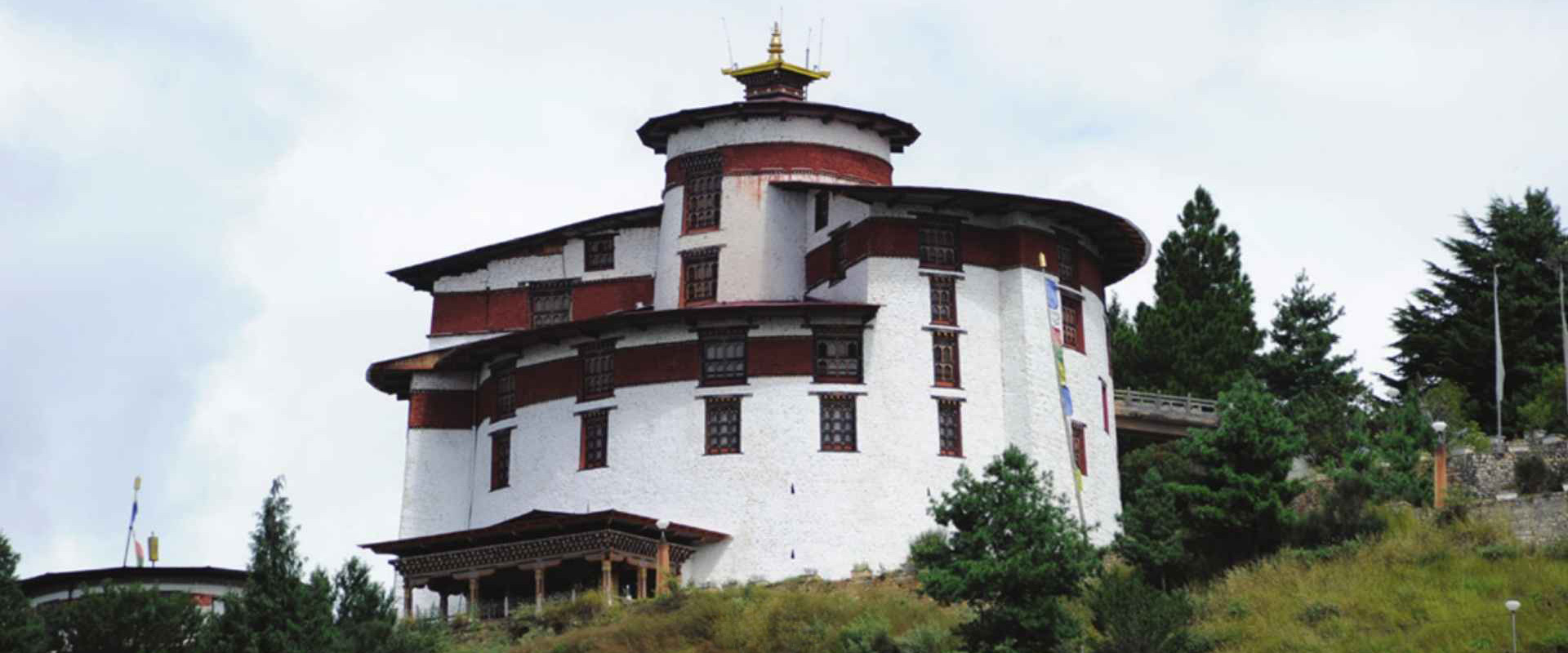
National Museum of Bhutan, Paro
Opening Hours Daily
9.00am to 5.00pm
Last Admission: 4:00 pm
The National Museum is open throughout the week except on government and local holidays.
Admission Fees
| International visitors | : | Nu. 500.00 |
| Locals | : | Nu. 100.00 - Free admission for monks, nuns, students and seniors 65 years and above |
Preserving Bhutan’s Cultures for Future Generations
Originally constructed in 1649 as a watchtower to safeguard Paro Dzong from potential invasions, the National Museum of Bhutan stands as a testament to the nation’s cultural resilience and heritage. In 1968, it was repurposed as the National Museum under the patronage of His Majesty the Third King, Jigme Dorji Wangchuck, to house Bhutan’s most treasured artifacts.
A devastating earthquake caused significant damage to the museum in 2011, threatening both its collection and structure. Full restoration efforts were completed with the support of the Government of India, and the museum officially reopened to visitors on June 24, 2020.
Today, the museum serves as a vital custodian of Bhutan’s spiritual, artistic, and historical legacy. Its vast collection of over 3,000 items includes sacred relics, royal heirlooms, and cultural artifacts. The museum plays a crucial role in preserving and sharing Bhutan’s profound cultural narrative with visitors from around the world.
Galleries of The National Museum
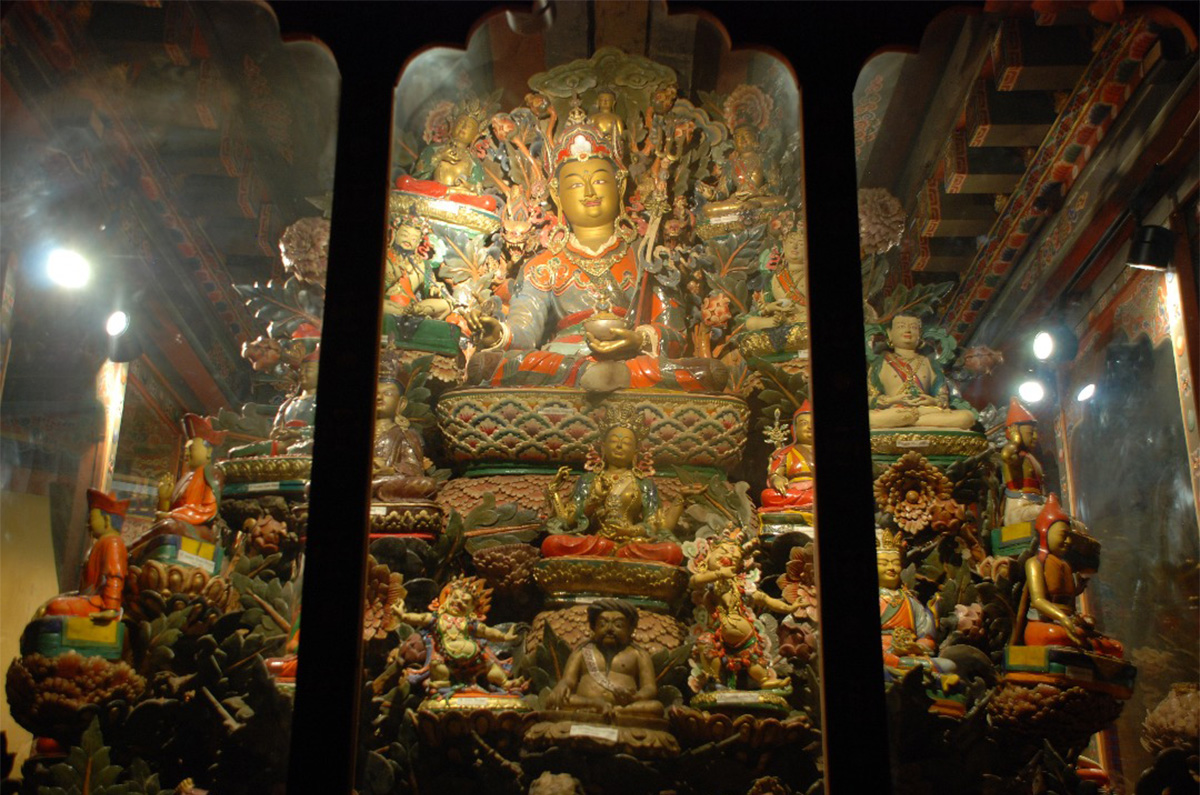
Sixth Floor
Temple of the Tree of Merit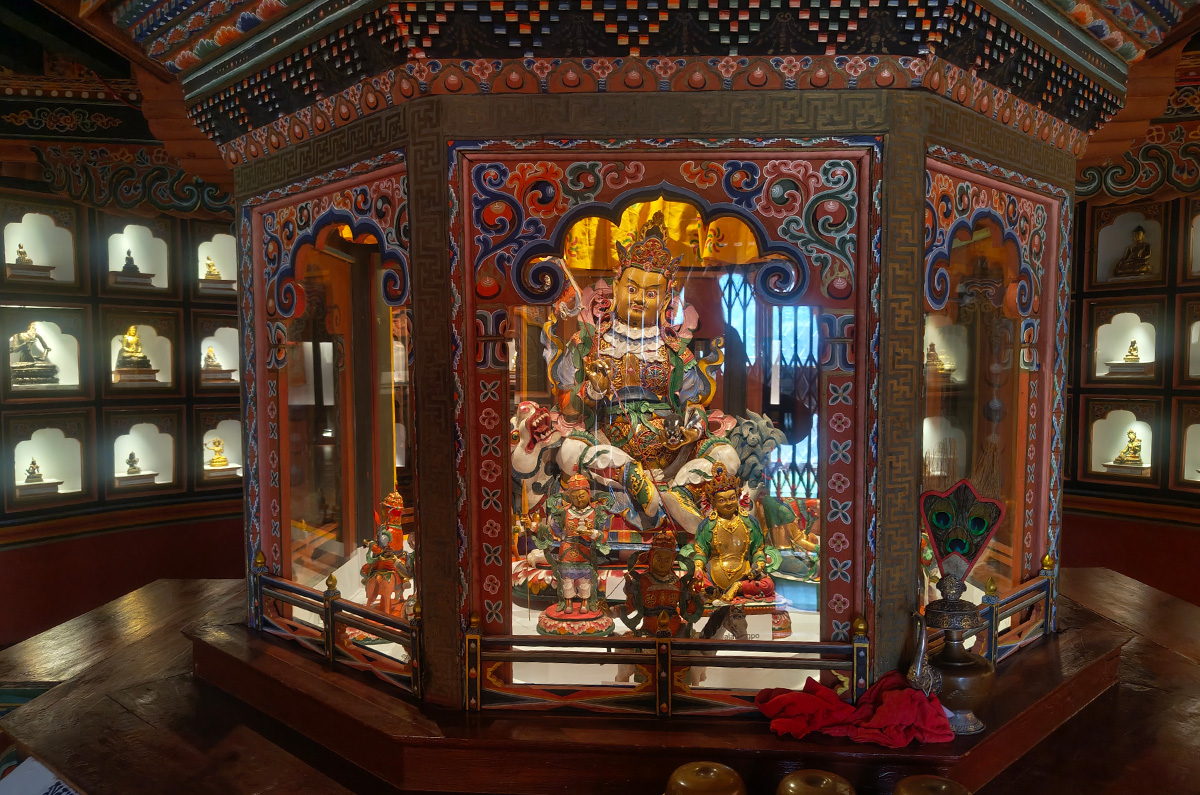
Fifth Floor
Temple of the God of Wealth and Thangka Gallery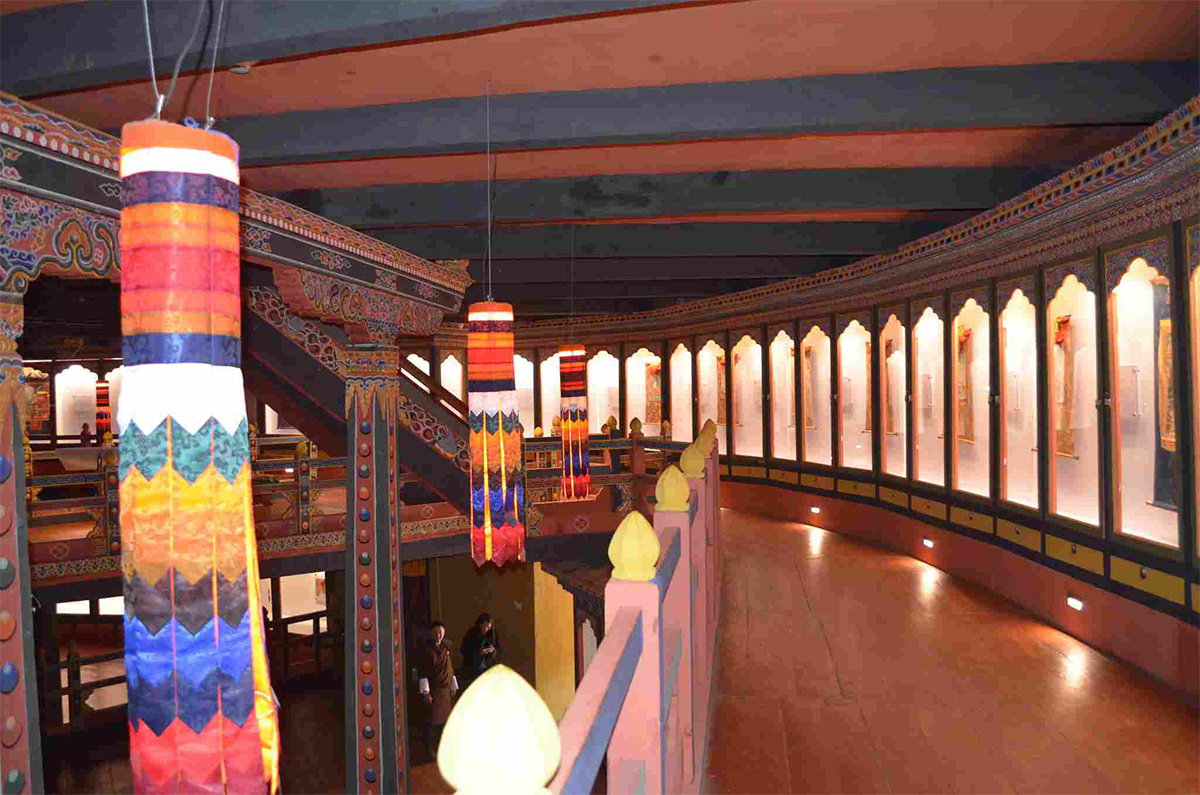
Fourth Floor
Prehistoric and Early Buddhist Artifacts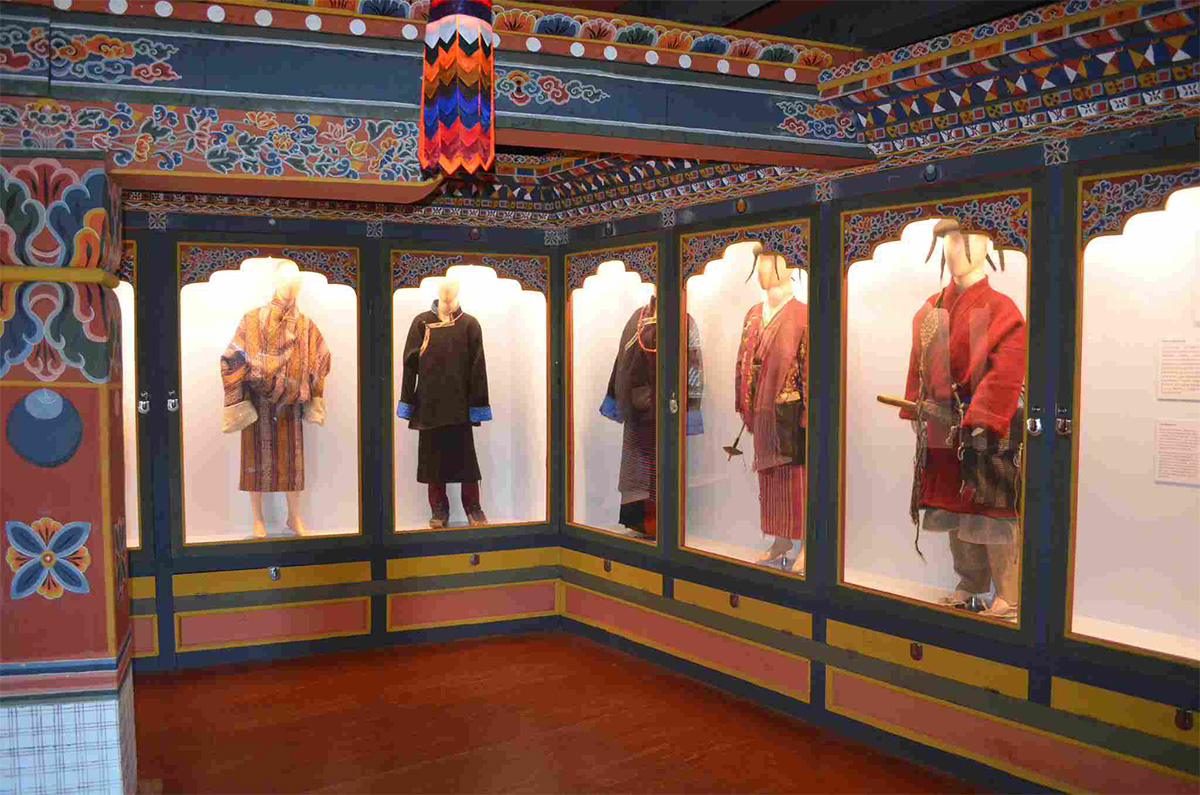
Third Floor
Royal Gallery, Traditional Costumes & Natural History Gallery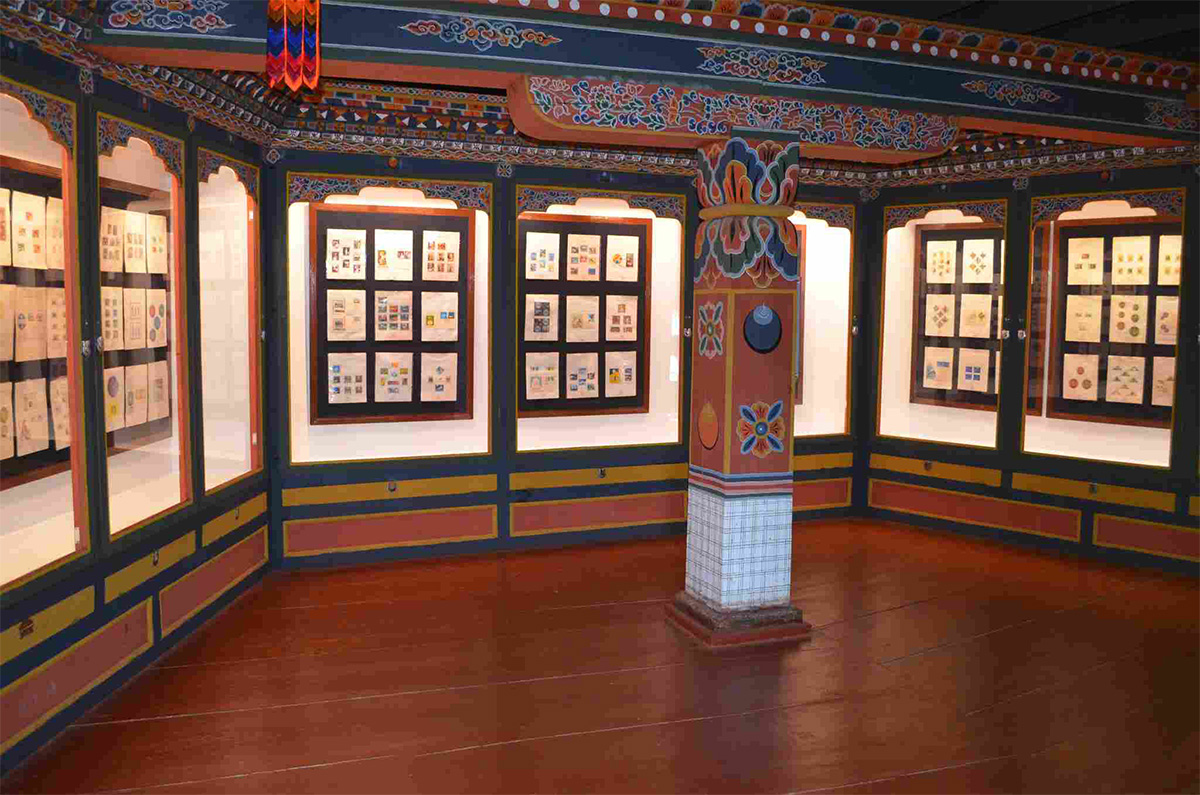
Second Floor
Stamps, Jewellery, and Currency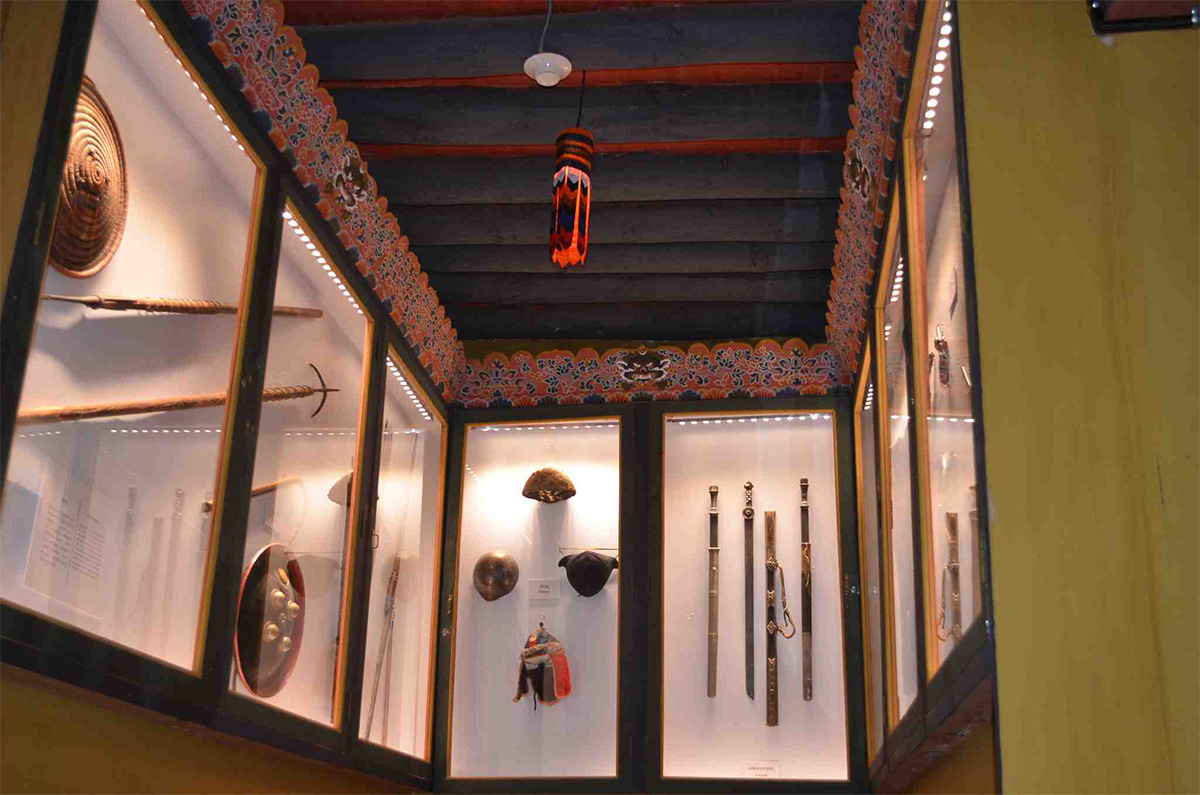
First Floor
Arms and Cane Items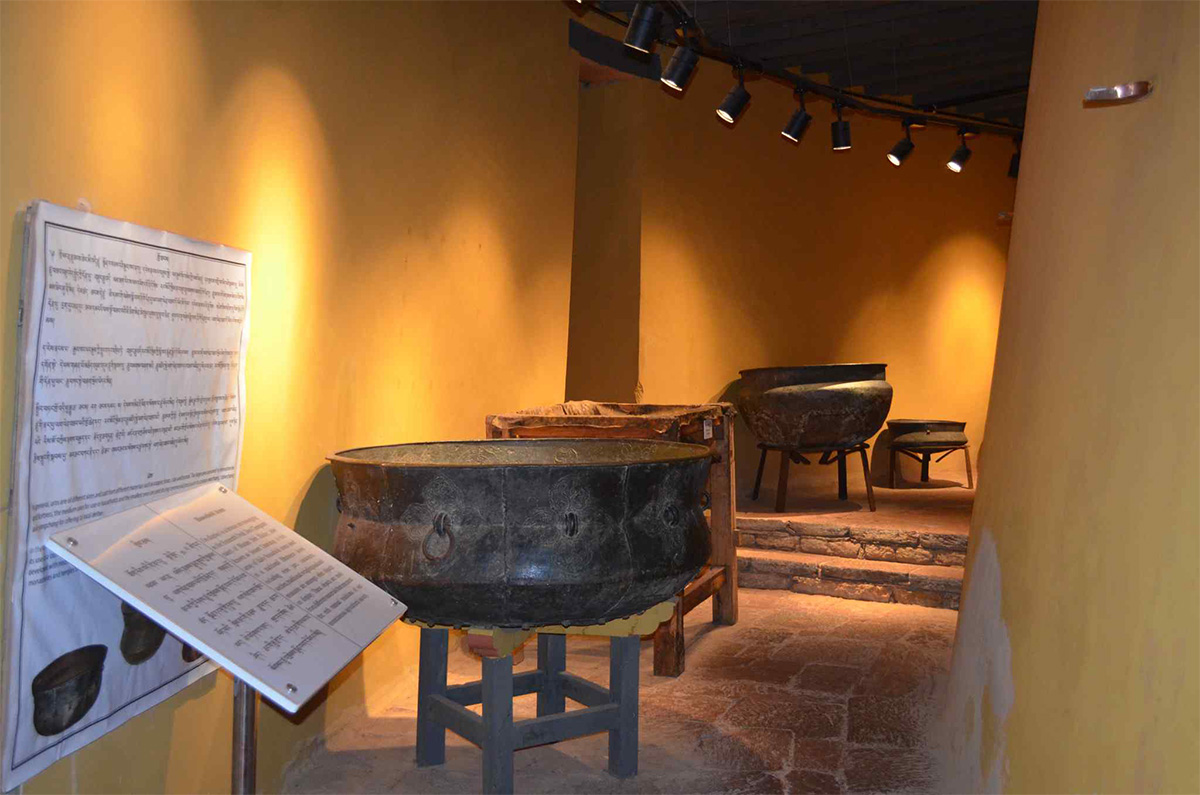
Museum Team
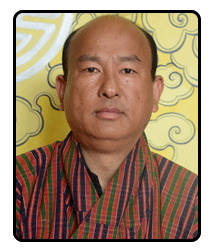
Phendey Lekshey Wangchuk
Officiating Director
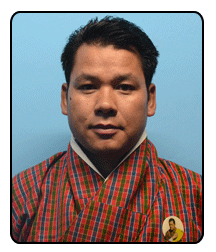
Rinzin Namgyel
Chief Chemist
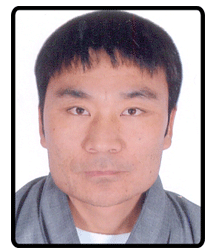
Kinley Gyeltshen
Curator
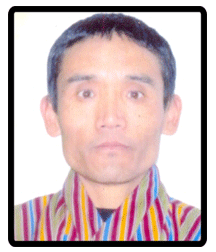
Dorji Wangchuk
Museum Assistant
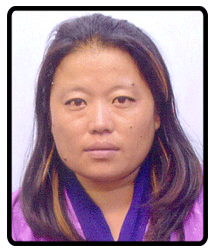
Yonten Zangmo
Electrician
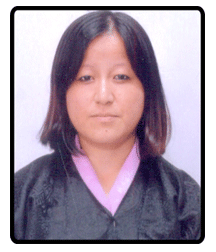
Saraswati Gurung
Administrative Assistant
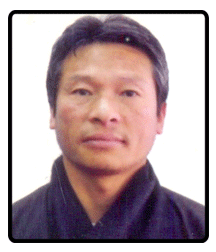
Lobzang Norbu
Photographer
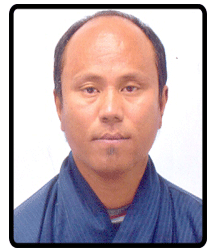
Kamal Pokwal
Conservation Assistant
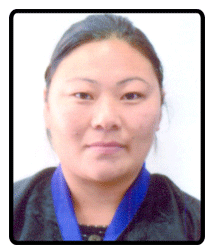
Karma Dem
Museum Assistant
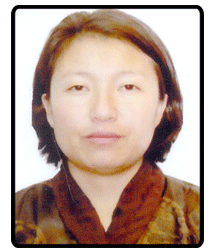
Dechen Choden
Museum Assistant
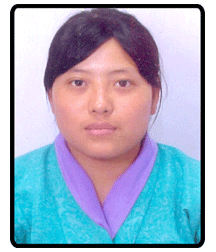
Chimmi Wangmo
Museum Assistant
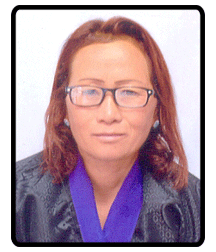
Durga Maya Monger
Museum Assistant
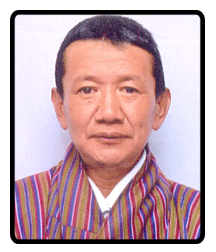
Kencho
Museum Assistant
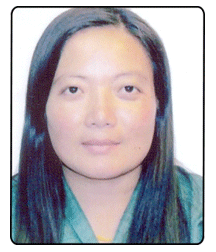
Dorji Zangmo
Museum Assistant
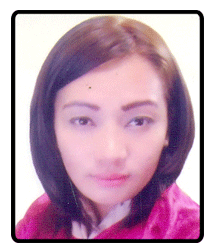
Phurpa Zangmo
Museum Assistant
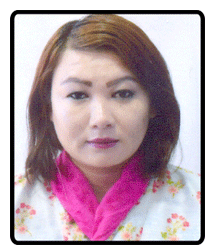
Phuntsho Choden
Ticketing In-charge
Phendey Lekshey Wangchuk
Officiating Director
Rinzin Namgyel
Chief Chemist
Kinley Gyeltshen
Curator
Dorji Wangchuk
Museum Assistant
Yonten Zangmo
Electrician
Saraswati Gurung
Administrative Assistant
Lobzang Norbu
Photographer
Kamal Pokwal
Conservation Assistant
Karma Dem
Museum Assistant
Dechen Choden
Museum Assistant
Chimmi Wangmo
Museum Assistant
Durga Maya Monger
Museum Assistant
Kencho
Museum Assistant
Dorji Zangmo
Museum Assistant
Phurpa Zangmo
Museum Assistant
Phuntsho Choden
Ticketing In-charge
Visitor Guidelines
Photography and Videography are not permitted inside the museum
Lockers are available for cameras.
Schools & VIP Groups: Guided tours available by request.
The National Museum of Bhutan
The Museums of Bhutan are managed by the Department of Culture and Dzongkha Development, Ministry of Home Affairs, which leads national efforts to preserve Bhutan’s rich cultural heritage and promote the living traditions that define the Kingdom’s identity.
Getting there
The National Museum of Bhutan is located in Paro, Bhutan, above Rinpung Dzong